
Common Roof Problems
What we find and fix on Syracuse roofs
Central New York weather is hard on roofs. These are the issues we see most often — and they're almost always fixable without a full replacement if they're caught in time.
Roof Leaks
Active leaks from wind-driven rain, ice dams, or aging materials. We trace the entry point on the roof, not just the stain on your ceiling, so the repair fixes the actual cause.
Missing or Damaged Shingles
Wind, impact, and age lift, crack, and tear shingles. Missing shingles leave the underlayment exposed and are one of the fastest ways water gets in. We match and replace them properly.
Flashing Problems
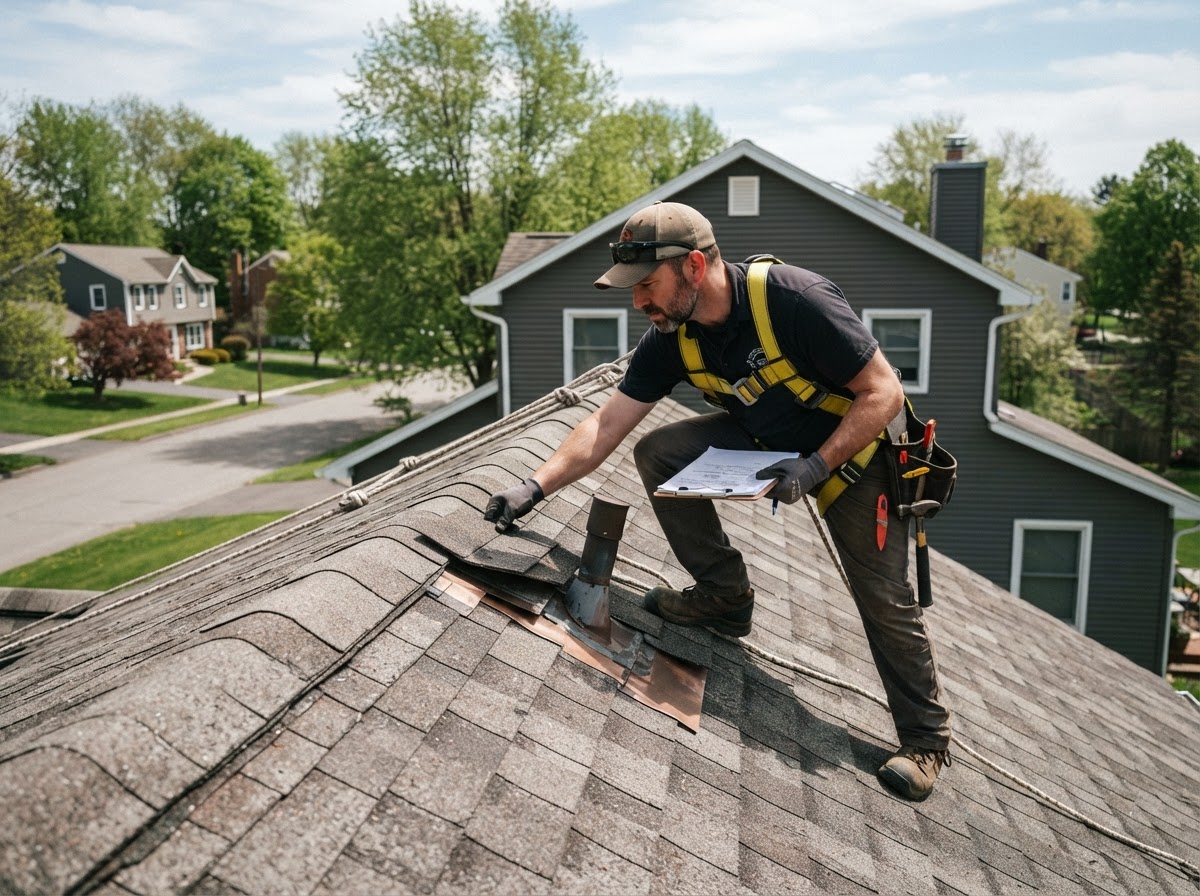
Flashing around chimneys, vents, skylights, and valleys is where most leaks start. Corroded, loose, or poorly installed flashing gets repaired or replaced and re-sealed.
Roof Penetrations
Anything that breaks the roof surface — vents, pipes, skylights — is a potential leak path. We check the seals and boots around every penetration and fix the ones that are failing.
Storm & Wind Damage
Central New York storms lift shingles, dent flashing, and drop branches. We inspect the full roof after a storm, document what we find, and repair the damage.
Ice & Winter Damage
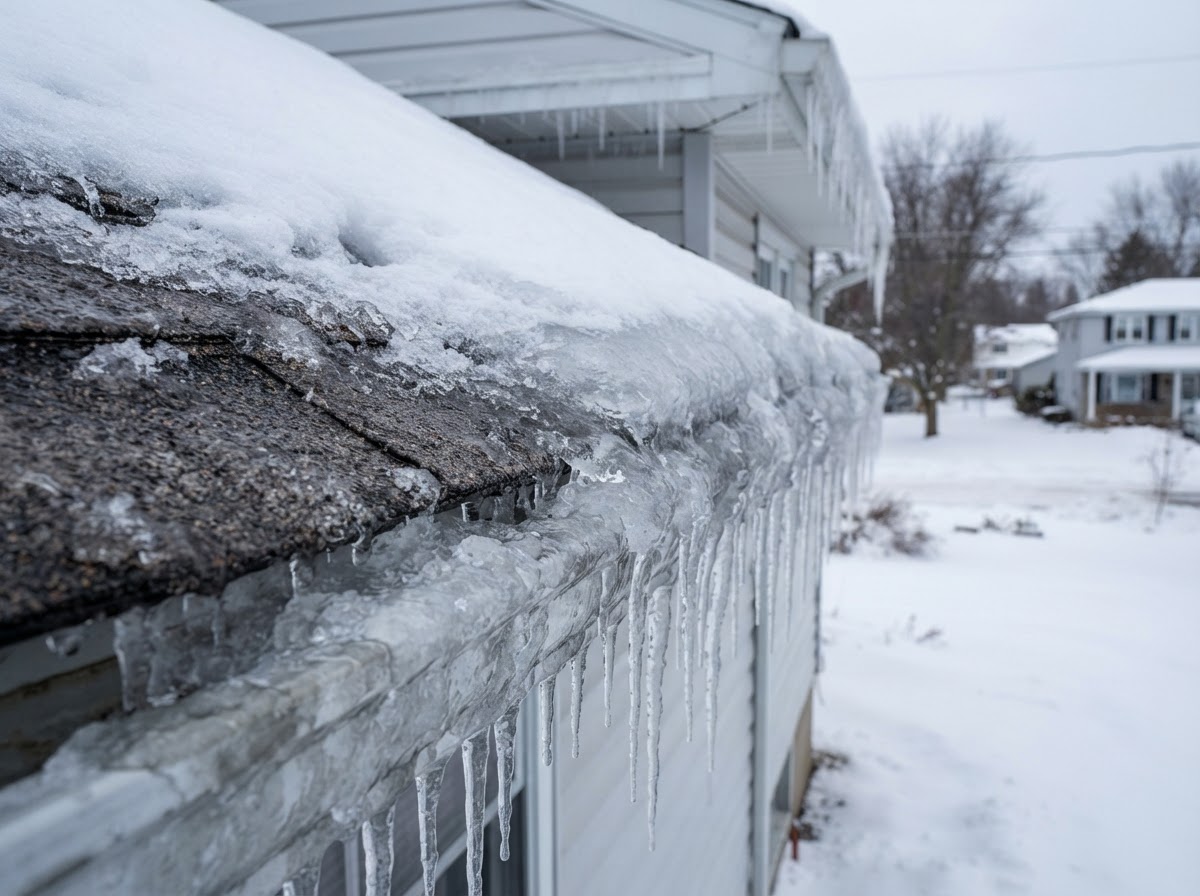
Ice dams force water under shingles, and freeze-thaw cycles work seams apart. We repair the damage and address the ventilation and insulation issues that cause ice dams in the first place.
Why small leaks should never be ignored
A small drip seems harmless — until it isn't. Water that gets past the shingles doesn't just sit there. It soaks into the roof decking, runs along rafters, and collects where you can't see it. By the time a stain shows up on your ceiling, the damage above it may already be significant.
Wet decking rots. Wet insulation loses its R-value and grows mold. In a Syracuse winter, moisture in the attic makes ice dams worse, which drives more water under the shingles. A repair that would have cost a little becomes decking replacement, drywall work, and insulation — all because the leak was left alone.
The pattern matters too. If you're patching the same spot every year, or leaks keep showing up in new places, that's a sign the roof has a deeper problem than any single repair can solve.
Roof Inspection
What happens during a roof inspection
We don't guess at the problem from the ground. A proper inspection tells us what's actually going on so the repair addresses the cause, not the symptom.
Full surface check
Shingles, flashing, vents, valleys, and gutters examined from the roof where accessible for damage, wear, and failed seals.
Attic inspection
We look inside the attic for moisture, daylight through the deck, mold, and signs that ventilation isn't doing its job.
Source identification
We trace the leak back to where water is actually entering — not just where it shows up inside.
Honest recommendation
You get a clear explanation of what we found and what repair is needed — or whether replacement makes more sense.
No pressure
If nothing needs fixing, we tell you. If a repair will solve it, we say so. You get a straight answer either way.
Documentation
We document what we find so you can see the problem for yourself and understand exactly what the repair involves.
Repair or replacement?
If the inspection shows the roof is sound overall, a targeted repair is usually the right call. If the problems are widespread or the roof is at the end of its life, replacement may be the better investment.
Wondering whether your roof is past repair? Learn about roof replacement